

Since 2015, I've worked in Moscow, Russia, with horses of all levels and disciplines, primarily with professional riders, including the Russian national dressage, eventing and endurance teams, trotting racers, working alongside riders and coaches on training programmes built to develop muscle and stamina, prevent injury and support steady progress.
Being the first internationally certified equine massage therapist in Russia, I've spoken at numerous industry events on topics including musculoskeletal therapy and ridden-horse pain behaviour evaluation, and created an interactive online equine anatomy course for owners that's built a strong reputation among clients, colleagues and vets. I am a member of Internationl Association of Animal Massage Therapists since 2016 and FEI Permitted Equine Therapist since 2020.
Since relocating to England, I've expanded into canine physiotherapy and have completed my postgraduate studies in Veterinary Physiotherapy at Anglia Ruskin University, which qualifies me to practise fully across both species in the UK. I'm currently in my Master's research year, working towards the full MSc. I am fully insured and a member of the National Association of Veterinary Physiotherapists and I am on the Animal Health Professions' Register.
I'm straightforward and I keep things clear: I'll tell you what I find and all the options around it, not just what's easy to hear. I work flexibly around what each case needs, plans can be adjusted as we go, but I only do what's necessary to get the right outcome. I don't waste my time or yours on anything beyond that, and I hold myself to a high standard on every visit.
About me
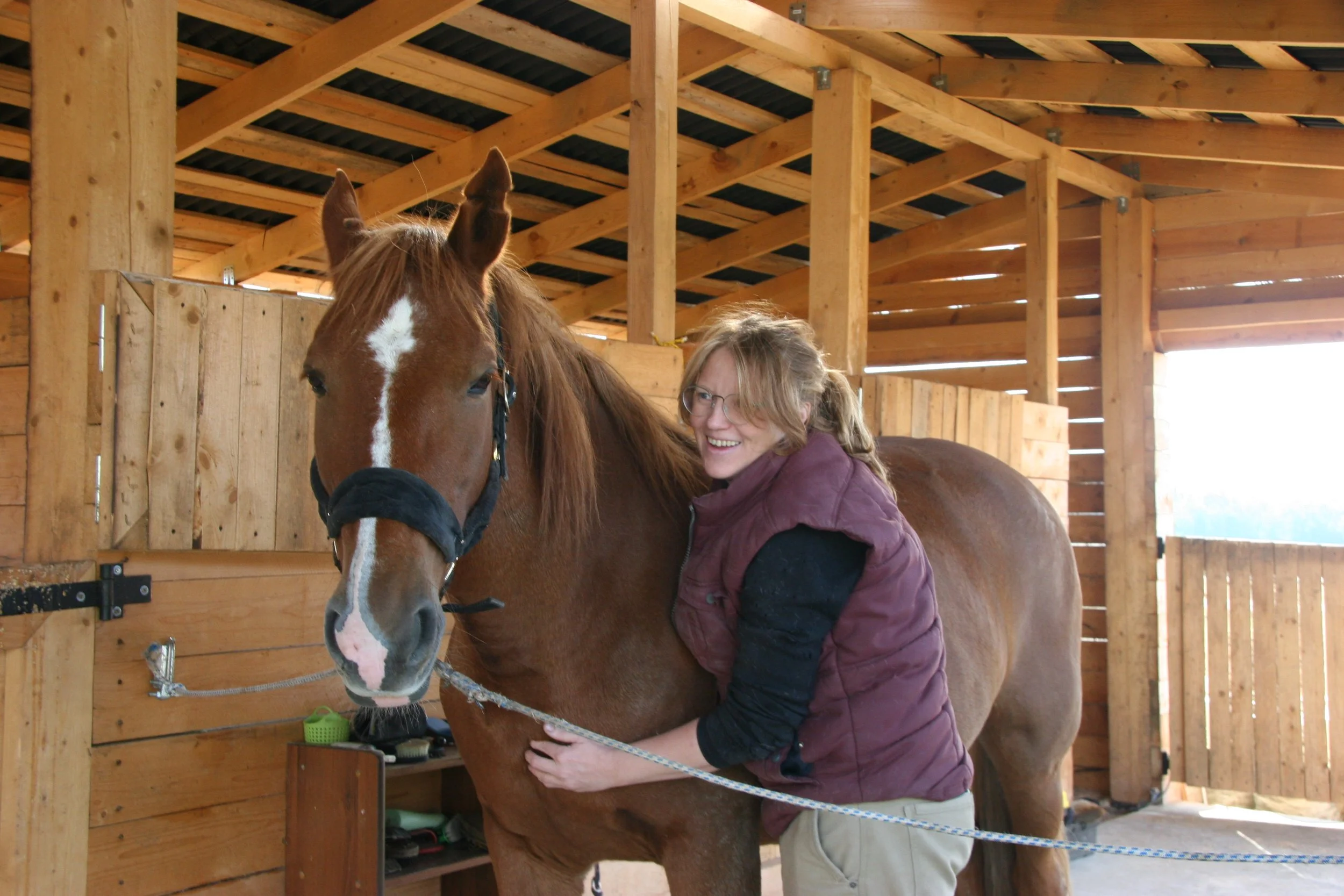
Veterinary physiotherapy is not a substitute for veterinary diagnosis or treatment. It is a complementary, evidence-based therapy that supports recovery alongside veterinary care — most commonly following surgery, injury, or diagnosis of an orthopaedic or neurological condition. Physiotherapy input requires veterinary referral/consent and works in partnership with your vet's treatment plan.
Below are examples of veterinary conditions where physiotherapy can be used as part of the rehabilitation pathway
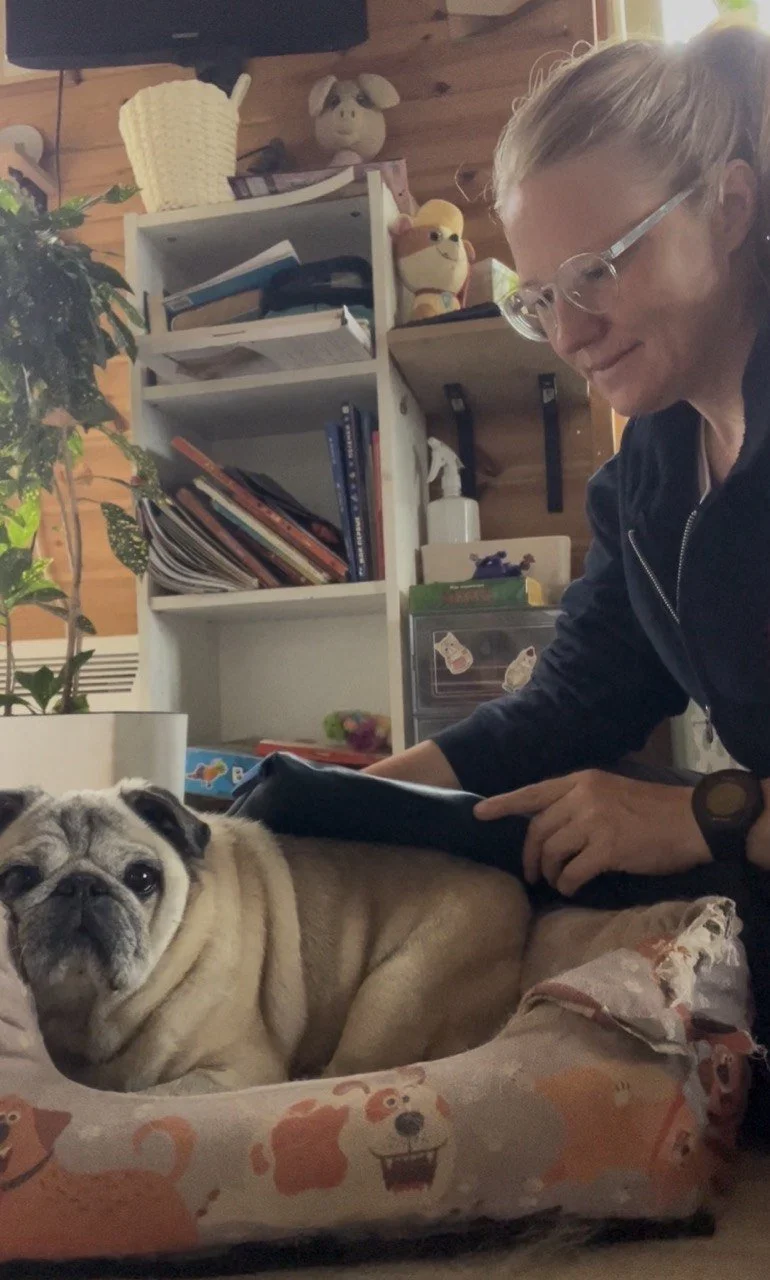
Forelimb
Carpus
Fractures of the accessory, radial, ulnar and carpal bones
Carpal hyperextension injury
Osteoarthritis
Radius, ulna and elbow
Fragmented coronoid process (FCP)
Ununited anconeal process (UAP)
OCD of the medial humeral condyle
Elbow dysplasia (incongruity)
Humeral condylar fracture ("Y fracture," common in spaniels)
Elbow luxation (usually lateral)
Osteoarthritis
Fracture of radius and ulna
Hindlimb
Tarsus
Fracture of the calcaneus
Achilles (common calcaneal) tendon rupture/avulsion
Tibia and fibula
Fracture of tibia and fibula
Stifle
Cranial cruciate ligament disease (CCL)
OCD of the femoral condyle
Collateral ligament injuries
Patellar luxation (medial/lateral)
Meniscal damage
Fractures
Caudal cruciate ligament disruption
Osteoarthritis
Femur
Femoral fracture
Coxofemoral joint
Hip dysplasia
Acetabular fracture
Femoral head/neck fracture
Capital femoral physis fracture/separation
Legg-Calvé-Perthes disease
Traumatic coxofemoral luxation
Osteoarthritis
Neurological (spine)
Intervertebral disc disease (IVDD)
Degenerative lumbosacral stenosis
Cervical spondylomyelopathy ("wobbler syndrome")
Fibrocartilaginous embolic myelopathy (FCE)
Neoplasia
Hemivertebrae
Fractures/trauma
Discospondylitis
Degenerative myelopathy (CDRM)
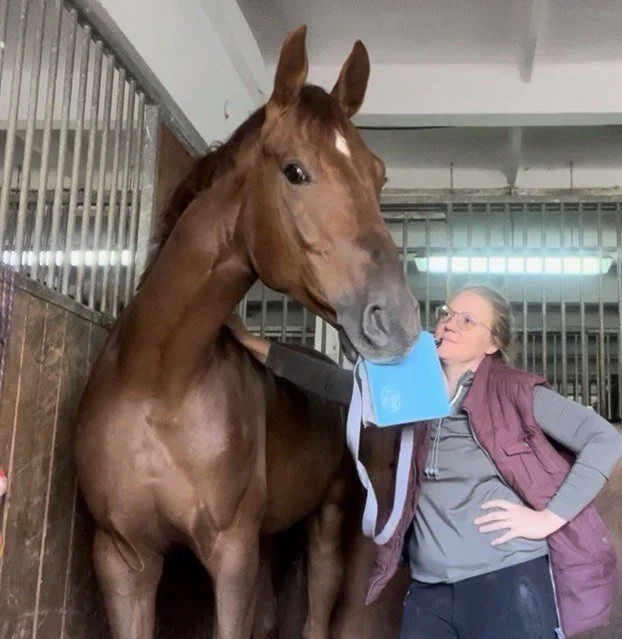
Forelimb
Navicular syndrome/disease
Laminitis
Osteoarthritis of the fetlock, pastern or coffin joint (ringbone, "low" or "high")
Sidebone (ossification of the collateral cartilages)
Carpitis/carpal osteoarthritis ("popped knee")
Splints (splint bone periostitis)
Bowed tendon (superficial/deep digital flexor tendon injury)
Suspensory ligament desmitis (proximal or branch)
Check ligament (accessory ligament) desmitis
Shoulder lameness/bicipital bursitis
Hindlimb
Bone spavin (tarsal/hock osteoarthritis)
Bog spavin (tarsocrural joint effusion)
Curb (plantar ligament strain)
Stifle: OCD, subchondral cystic lesions, upward fixation of the patella ("locking stifle")
Hindlimb suspensory ligament desmitis
Sacroiliac joint dysfunction/strain
Back and spine
Kissing spine (impinging/overriding dorsal spinous processes)
Thoracolumbar back pain/muscle strain
Sacroiliac disease
Cervical vertebral malformation ("wobbler syndrome")
Facet joint osteoarthritis
Neurological
Equine protozoal myeloencephalitis (EPM)
Cervical stenotic myelopathy (wobbler syndrome)
Headshaking syndrome (trigeminal-mediated)
Facial nerve paralysis
Soft tissue/general
Muscle strain, atrophy or asymmetry
Poor saddle-fit-related myofascial pain
Post-operative rehabilitation (colic surgery, arthroscopy, fracture repair)
Tendon/ligament injuries generally (recurrent theme across limbs)
Foal limb deformities (angular/flexural)
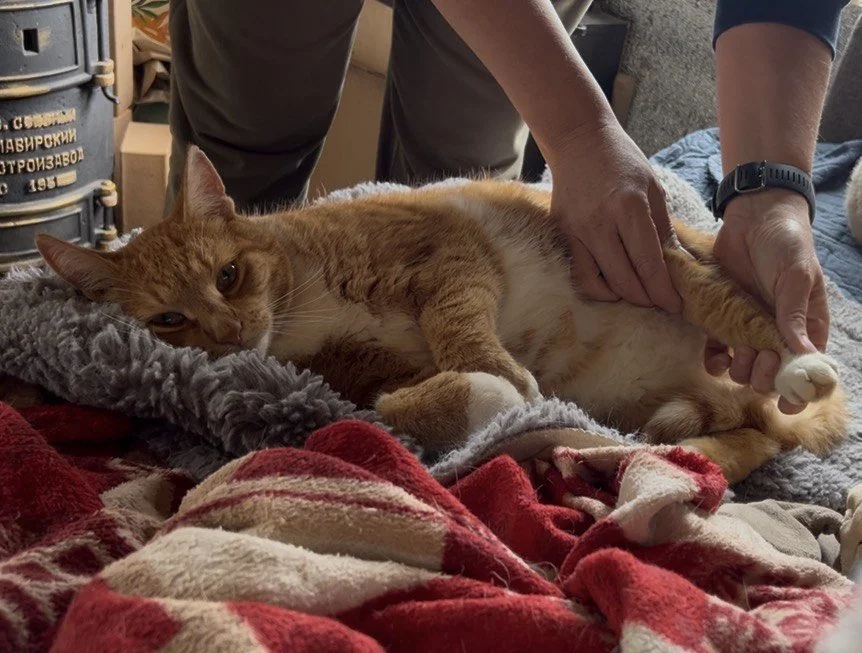
Forelimb
Carpus
Carpal injuries (usually traumatic)
Elbow
Elbow luxation (traumatic)
Osteoarthritis
Fragmented medial coronoid process
Humerus/radius/ulna
Fractures
Hindlimb
Tarsus
Talocrural (tarsocrural) luxation
Metatarsal fractures
Achilles (common calcaneal) tendon rupture
Stifle
Cranial cruciate ligament (CrCL) rupture
Patellar luxation
Patellar fractures
Femur/coxofemoral joint
Femoral fractures
Hip dysplasia
Coxofemoral (hip) luxation
Slipped capital femoral epiphysis (SCFE)
Other/breed-specific
Scottish Fold osteochondrodysplasia (genetic)
Osteochondromatosis/synovial osteochondromatosis
Neurological
Intervertebral disc disease/herniation
Trauma-related spinal injury
Fibrocartilaginous embolic myelopathy (FCE)
Vestibular disorders
General/degenerative
Osteoarthritis